

Analyses sur le règlement sur l’IA et la conformité
Analyses et guides pratiques sur le règlement sur l’intelligence artificielle, la confidentialité et la conformité opérationnelle, conçus pour les équipes juridiques, conformité et produit.
Signaux de conformité
Mises à jour datées sur ce qui a changé et sur la conduite à tenir, les plus récentes en premier.
Lignes directrices de l’article 50 : ce que les agents d’IA n’ont pas à marquer
Lignes directrices article 50 pour les agents : le raisonnement intermédiaire n’est pas un contenu de synthèse. Ce que le paragraphe 31 exige.
Le règlement sur l’IA au 2 août 2026 : ce qui s’applique vraiment (et ce que l’Omnibus vient de reporter)
L’article 50 s’applique depuis le 2 août 2026 : transparence et marquage. Ce qui lie maintenant, fournisseur ou déployeur, et la liste à suivre.
Les lignes directrices finales de la Commission sur l’article 50 : ce qui a réellement changé avant le 2 août 2026
L’article 50 s’applique depuis le 2 août 2026 : information, marquage et hypertrucages. Ce que les lignes directrices de juillet précisent.
Échéances du règlement sur l’IA après le Digital Omnibus (2026)
Le Digital Omnibus est en vigueur depuis le 27 juillet 2026 : haut risque au 2 décembre 2027, annexe I au 2 août 2028. Le calendrier daté à partir de 2026.
Le trilog Omnibus du règlement sur l’IA bloque : ce que les PME doivent faire
Trilog du 28 avril 2026 : Digital Omnibus non clos. Ce qui bloquait, le droit en vigueur depuis le 27 juillet 2026, et cinq mesures d’alors.
L’échéance du règlement sur l’IA peut bouger (Digital Omnibus) : ce que les PME doivent faire
En avril 2026, l’Omnibus pouvait reculer l’annexe III. Droit en vigueur depuis juillet 2026, ce qui n’a pas bougé, et 7 mesures d’alors.
Sélection de la rédaction
Les articles les plus importants pour commencer.

EN 301 549 ne vous rend pas conforme à l’EAA, et le Journal officiel le prouve
Aucune norme harmonisée n’est citée au Journal officiel au titre de l’EAA, donc pas de présomption de conformité. À quoi ancrer les preuves.

Votre boutique en ligne entre-t-elle dans le champ du BFSG ? Le test des microentreprises, et la date de 2030 qui n’est pas un délai de grâce
Qui le BFSG oblige vraiment, comment l’exonération des microentreprises fonctionne, et pourquoi 2030 n’est pas un délai de grâce pour votre site.
Plus d’articles

The CRA support period: five years is the floor, not the rule
Article 13(8) of the Cyber Resilience Act, sentence by sentence: how the support period is set, what depends on it and where it must be stated.

What is the Cyber Resilience Act? Scope, obligations and dates
The Cyber Resilience Act explained: which products it covers, what manufacturers, importers and distributors must do and from when, and the fines.

SBOM under the Cyber Resilience Act: what the Regulation actually requires
The CRA's SBOM duty, sentence by sentence: minimum depth, format, where it lives, who may see it, and why you need one before 11 September 2026.

AI labelling obligations 2026: what Article 50 requires since August and what lands on 2 December
Article 50 labelling duties: chatbot disclosure and deepfake labels since 2 August 2026, machine-readable marking for legacy systems from 2 December 2026.

Votre chatbot IA relève de l’EAA, et sa mention au titre de l’article 50 doit passer par plus d’un canal sensoriel
Un chatbot IA relève de l’annexe I, section III de l’EAA. La mention article 50 informe sur le service : un badge purement visuel ne suffit pas.

A vulnerability is exploited on Tuesday at 10:15. Your first CRA deadline is Wednesday at 10:15.
CRA Article 14 applies from 11 September 2026. The hour-by-hour runbook for the first 24 and 72 hours, the roles to assign, and what to file.

L’article 14 contient deux obligations de notification, pas une, et leurs rapports finaux ne courent pas sur la même horloge
L’article 14 du CRA s’applique dès le 11 septembre 2026 : deux obligations distinctes, trois notifications chacune et deux délais de rapport final.

La charge disproportionnée n’est pas une échappatoire. C’est un document, un délai de cinq ans, et une lettre à votre autorité
Article 14 et annexe VI de l’EAA : ce que l’évaluation doit contenir, pourquoi l’invoquer sans document est déjà un manquement, et le piège du financement.

La déclaration d’accessibilité EAA que vous copiez n’est pas la bonne, et elle doit être disponible à l’oral
L’annexe V de l’EAA n’est pas la déclaration d’accessibilité du secteur public. Ce que l’article 13, paragraphe 2, exige, y compris la forme orale.
prEN 18229-1 : ce que dit réellement la norme de journalisation du règlement sur l’IA
Projet de norme européenne de journalisation de l’IA, lu à la source. Ce que couvre la partie 1, et pourquoi l’article 12 ne s’applique qu’en décembre 2027.

Le code de bonnes pratiques de l’UE sur le marquage des contenus générés par l’IA : de quoi il s’agit, et s’il faut le signer
Code de bonnes pratiques sur le marquage des contenus d’IA, final le 10 juin 2026 : ce qu’il exige, pourquoi ce n’est pas une obligation C2PA, qui signe.

Ajouter une information article 50 du règlement sur l’IA à WordPress (pas à pas)
Étape par étape : ajoutez une information article 50 à WordPress. Style, langue, activation, vérification. Gratuit, local, sans compte.

Le règlement sur l’IA pour WordPress : la liste de contrôle complète avant le 2 août 2026
Liste WordPress du règlement sur l’IA : inventaire de l’IA, information des agents conversationnels (article 50), étiquetage du contenu et maîtrise de l’IA.

Dois-je informer de mon agent conversationnel d’IA au titre du règlement sur l’IA ? (article 50)
Oui, dans presque tous les cas. L’article 50 impose depuis le 2 août 2026 d’informer les visiteurs qu’ils parlent à une IA. Amendes jusqu’à 15 M€ ou 3 %.

Mon IA médicale est-elle à haut risque au titre du règlement sur l’IA ? (guide MDR/IVDR)
Votre IA médicale est à haut risque (art. 6(1)) si le produit MDR/IVDR est soumis à une évaluation de la conformité par un tiers. Tableaux, exemples.

Règlement sur l’IA pour les dispositifs médicaux : échéances et suivi Omnibus
Suivi des échéances du règlement sur l’IA pour les dispositifs médicaux. Annexe I au 2 août 2028, logique de l’article 6, paragraphe 1, stable.

Fournisseur ou déployeur ? Rôles du règlement sur l’IA pour l’IA médicale (fabricants MDR)
L’entreprise qui fabrique l’IA médicale est le fournisseur ; la clinique qui s’en sert est le déployeur. Rôle, chaîne de valeur et article 25. Cité.

Meilleure alternative à Vanta pour la conformité au règlement sur l’IA (2026)
Vanta automatise bien SOC 2 et ISO, mais traite le règlement sur l’IA comme un module. Alternatives natives, au tarif PME, en 2026.

Construire une IA médicale sur des LLM : ce qu’exige le règlement sur l’IA (GPAI)
Embarquer GPT ou Llama dans un produit médical ne vous décharge pas. Vous restez le fournisseur ; le modèle vous doit la documentation de l’article 53.

Le règlement sur l’IA s’applique-t-il aux applis nées du « vibe coding » ?
Livrée en un week-end avec Cursor : le règlement sur l’IA s’applique-t-il ? Oui, si l’appli met de l’IA face à des personnes dans l’UE. Quel palier.

Organismes notifiés et IA médicale au titre du règlement sur l’IA
Pas d’organisme notifié distinct. L’organisme MDR/IVDR contrôle aussi la conformité au règlement sur l’IA, une fois évalué pour ce champ.

Meilleure alternative à OneTrust pour le règlement sur l’IA (2026)
Alternative OneTrust pour le règlement sur l’IA : 5 outils comparés sur le prix, le périmètre et l’adéquation, plus l’option libre-service pour les PME.

Qui détient le code généré par l’IA ? Droit d’auteur, licences et piège copyleft
Code écrit par une IA : l’usage commercial, le droit d’auteur qui peut manquer, les conditions d’outil, et le copyleft qui contamine en silence.

RGPD × règlement sur l’IA × MDR : règles sur les données de santé pour l’IA médicale
RGPD, règlement sur l’IA et MDR/IVDR portent ensemble sur les données patients. Superposition, AIPD face à la FRIA, et le décalage des rôles.

Dois-je me conformer au règlement sur l’IA ? (2026)
Faut-il se conformer au règlement sur l’IA ? Oui si vous êtes fournisseur, déployeur, importateur ou distributeur avec un lien UE, même hors Union.

Le code écrit par votre IA est-il sûr, et conforme, à livrer ?
Code généré par IA : fuites de secrets, copyleft, et obligations du règlement sur l’IA. Liste de contrôle avant livraison, articles cités.

ISO 42001 et ISO 13485 aux côtés du règlement sur l’IA (IA médicale)
Votre SMQ ISO 13485 porte l’obligation de qualité de l’article 17, avec l’ISO/IEC 42001 en couche IA. La MDCG 2025-6 dit d’intégrer, pas de dupliquer.

Meilleur logiciel de conformité au règlement sur l’IA pour les jeunes pousses (2026)
Meilleur logiciel de conformité au règlement sur l’IA pour jeunes pousses et PME en 2026 : profondeur native, hébergement UE, libre-service et vrais tarifs.

DiGA et le règlement sur l’IA : ce que les applications de santé allemandes doivent savoir
Une DiGA fondée sur l’IA est à haut risque (art. 6, § 1) dès la classe IIa MDR. Les voies MDR, BfArM et RGPD, avec exemples cités.

Documentation technique de l’annexe IV pour l’IA médicale
Pour l’IA médicale, vous étendez le dossier MDR/IVDR à l’annexe IV, contrôlée dans l’évaluation de la conformité existante (article 43, § 3).

Conservation des journaux du règlement sur l’IA : la règle des 6 mois (en pratique)
Journaux du règlement sur l’IA : 6 mois au moins pour le fournisseur (art. 19) et le déployeur (art. 26, par. 6). Qui tient quoi.
Avez-vous besoin d’une FRIA pour votre IA médicale ? (article 27 du règlement sur l’IA)
Les dispositifs médicaux sont à haut risque par l’article 6, paragraphe 1, hors FRIA de l’article 27. Ce qu’il faut, c’est une AIPD au titre du RGPD.

Article 50 du règlement sur l’IA : liste de contrôle et modèles à copier-coller (pack d’information v1)
Guide article 50 pour les équipes produit : quand informer, placement UX, textes à copier-coller, marquage, champs de journalisation et preuves.

Gouvernance de l’IA agentique et conformité
Gouvernance de l’IA agentique : le cadre de Singapour, le règlement sur l’IA appliqué aux agents, les écarts de responsabilité et les contrôles techniques.

Logiciels de conformité au règlement sur l’IA comparés (2026)
Outils de conformité au règlement sur l’IA comparés pour 2026 : plateformes GRC, gouvernance de l’IA, scanneurs libres, tarifs et critères.

Colorado AI Act et lois d’États américaines sur l’IA
Colorado AI Act (SB 205) et lois d’États américaines : discrimination algorithmique, devoirs des développeurs et déployeurs, NIST et étapes concrètes.

Réglementation de l’IA comparée : UE, USA, UK, Chine (2026)
Réglementation de l’IA 2026 : l’UE comparée aux USA, au UK et à la Chine, et une stratégie de conformité multi-juridictions. Juillet 2026.

Marquage CE et base de données de l’UE pour les systèmes d’IA
Marquage CE et base de données de l’UE pour les systèmes d’IA : articles 48 et 49, annexe VIII, déclaration UE de conformité et accès au marché.

Le règlement sur l’IA pour l’éducation et l’EdTech
Guide du règlement sur l’IA pour l’éducation et l’EdTech : admissions, notation, surveillance d’examens, émotions interdites.

Le règlement sur l’IA pour les services financiers
Guide du règlement sur l’IA pour les banques, assureurs et fintechs : solvabilité, tarification d’assurance, détection de fraude et obligations à haut risque.

Règlement sur l’IA pour la santé et l’IA médicale
Guide du règlement sur l’IA pour l’IA médicale : recouvrement MDR/IVDR, classification à haut risque et obligations SaMD expliquées.

Le règlement sur l’IA pour les RH et le recrutement
Guide du règlement sur l’IA pour les RH et le recrutement : haut risque, pratiques interdites, devoirs des employeurs et examen des biais.

Le règlement sur l’IA pour les jeunes pousses et les PME
Guide pratique du règlement sur l’IA pour jeunes pousses et PME : amendes réduites, bacs à sable, documentation simplifiée et budget.

AIPD et FRIA : le guide des analyses d’impact de l’IA
AIPD (RGPD art. 35) et FRIA (art. 27) : qui les mène, déclencheurs, recoupements et méthode combinée pour le règlement sur l’IA.

NIST AI RMF, ISO 42001 et règlement sur l’IA : la table de correspondance
Correspondance NIST AI RMF, ISO 42001 et règlement sur l’IA : recoupements, écarts critiques et stratégie d’alignement unique.

ISO 42001 : certification du système de management de l’IA
Certification ISO 42001 du système de management de l’IA : exigences, processus, correspondance avec le règlement sur l’IA et ISO 27001.
Surveillance après mise sur le marché et signalement des incidents graves
Guide des articles 72 et 73 : surveillance après mise sur le marché, incidents graves, délais 15 / 2 / 10 jours, rôles fournisseur et déployeur.

Cadre de gouvernance de l’IA : construire votre programme
Cadre de gouvernance de l’IA aligné sur le règlement sur l’IA, le NIST AI RMF et l’ISO 42001 : rôles, politiques, paliers de risque et information du conseil.

Exigences relatives aux données d’entraînement : article 10
Gouvernance des données (article 10) : données d’entraînement, détection des biais, provenance et canevas de transparence GPAI.

Système de gestion des risques de l’IA : guide de l’article 9
Guide de l’article 9 : système de gestion des risques, évaluation continue, risque résiduel, essais et cycle de vie de l’IA.

Contrôle humain de l’IA : guide de l’article 14
Guide du contrôle humain (article 14) pour l’IA à haut risque : HITL, HOTL, HIC, biais d’automatisation et devoirs du déployeur.

Transparence du règlement sur l’IA : article 50 et règles d’hypertrucage
Transparence de l’article 50 depuis le 2 août 2026 : agents conversationnels, hypertrucages, marquage et code de bonnes pratiques.

Tests de biais de l’IA : comment satisfaire l’article 10
Guide pratique des tests de biais (article 10) : six types de biais, indicateurs d’équité, attributs protégés et outils libres.

FRIA du règlement sur l’IA : analyse d’impact sur les droits fondamentaux
FRIA de l’article 27 : qui doit la mener, contenu obligatoire, FRIA face à l’AIPD, et un modèle pratique pour les déployeurs.
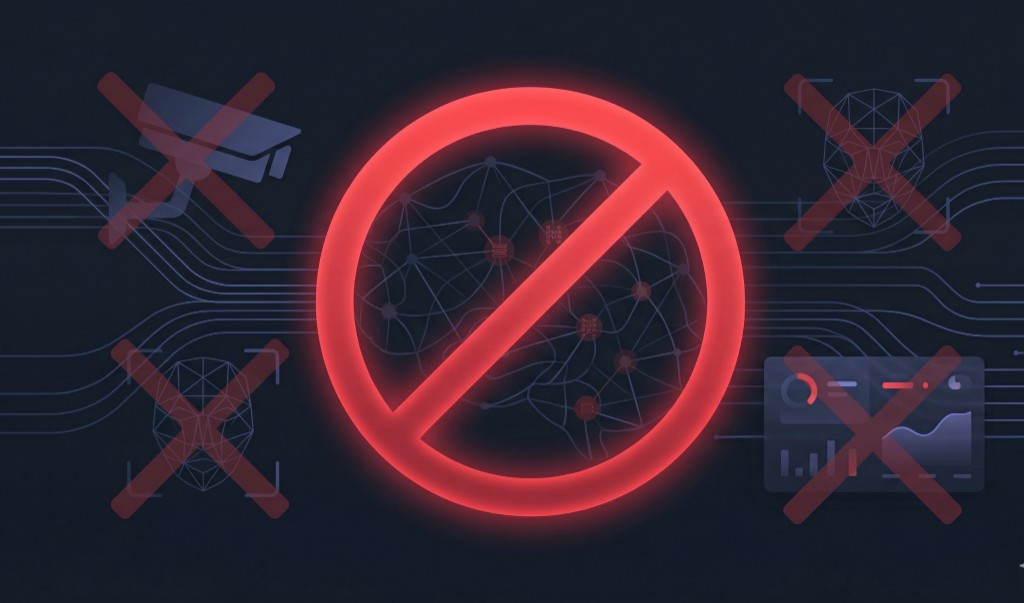
Pratiques interdites du règlement sur l’IA : guide de l’article 5
Les 8 pratiques d’IA interdites à l’article 5 du règlement sur l’IA : exemples, sanctions, application depuis février 2025 et liste de contrôle.

Obligations GPAI au titre du règlement sur l’IA expliquées
Obligations des modèles d’IA à usage général (GPAI) : documentation, transparence, droit d’auteur et risque systémique au titre du règlement sur l’IA.

Inventaire des systèmes d’IA pour le règlement sur l’IA
Inventaire des systèmes d’IA au titre du règlement sur l’IA : IA de l’ombre, champs requis, priorisation et modèles de suivi.

Évaluation de la conformité au règlement sur l’IA : auto-évaluation ou organisme notifié
Guide de l’évaluation de la conformité au règlement sur l’IA : auto-évaluation (annexe VI) ou organisme notifié (annexe VII), coûts, délais et marquage CE.

Documentation technique du règlement sur l’IA : guide de l’annexe IV
Documentation technique de l’annexe IV : neuf rubriques obligatoires, exemples concrets, allègements PME et liste de préparation.

Règlement sur l’IA et RGPD : différences et recoupements
Règlement sur l’IA et RGPD : amendes, rôles, analyses d’impact, recoupements et cinq leviers pour une conformité unifiée.

Liste de contrôle 2026 du règlement sur l’IA : le guide complet
Liste de contrôle 2026 du règlement sur l’IA : classification des risques, documentation, évaluation de la conformité, surveillance, échéances 2027 et 2028.

Sanctions et amendes du règlement sur l’IA expliquées (2026)
Amendes du règlement sur l’IA jusqu’à 35 millions d’euros ou 7 % du chiffre d’affaires : paliers de l’article 99, contrôle, PME et réduction du risque.

Règlement sur l’IA : obligations du fournisseur et du déployeur comparées
Obligations du fournisseur et du déployeur pour l’IA à haut risque au titre du règlement sur l’IA : article 25, chaîne de valeur et conformité.

Mon système d’IA est-il à haut risque au titre du règlement sur l’IA ?
Guide de classification à haut risque du règlement sur l’IA : article 6, domaines de l’annexe III, dérogations et échéances 2027-2028.

Classification gratuite des risques du règlement sur l’IA en 5 minutes
Outil gratuit de classification des risques du règlement sur l’IA : niveau de risque, obligations applicables et prochaines étapes de conformité.

Liste de contrôle de la politique de confidentialité pour les entreprises d’IA (2026)
Liste de contrôle 2026 de la politique de confidentialité IA : RGPD art. 13-14, article 50 du règlement sur l’IA, ce qu’il faut dire.

Conformité RGPD pour les entreprises d’IA : par où commencer
Guide RGPD pour les entreprises d’IA : bases juridiques, données d’entraînement, décisions automatisées, AIPD et alignement au règlement sur l’IA.
Calendrier du règlement sur l’IA : dates clés et échéances (mise à jour juillet 2026)
Calendrier 2024-2028 du règlement sur l’IA, Digital Omnibus : haut risque au 2 décembre 2027, annexe I au 2 août 2028, article 50 depuis le 2 août 2026.

Comprendre le règlement sur l’IA : le guide complet
Comprendre le règlement sur l’IA : quatre paliers de risque, rôles, échéances Omnibus et ce que fournisseurs et déployeurs doivent faire.
Lancez votre évaluation gratuite du règlement sur l’IA
Aucune carte de crédit requise. Aucune connexion nécessaire. Commencez avec un premier résultat de conformité pratique et défendable.
✓ Classification du risque du règlement sur l’intelligence artificielle • ✓ Cartographie des obligations • ✓ Parcours d’exportation de la documentation
Ce n’est pas un conseil juridique : Les résultats sont informatifs et nécessitent une révision humaine/juridique.